
TOP 5 REASONS
TO VISIT WRANGELL
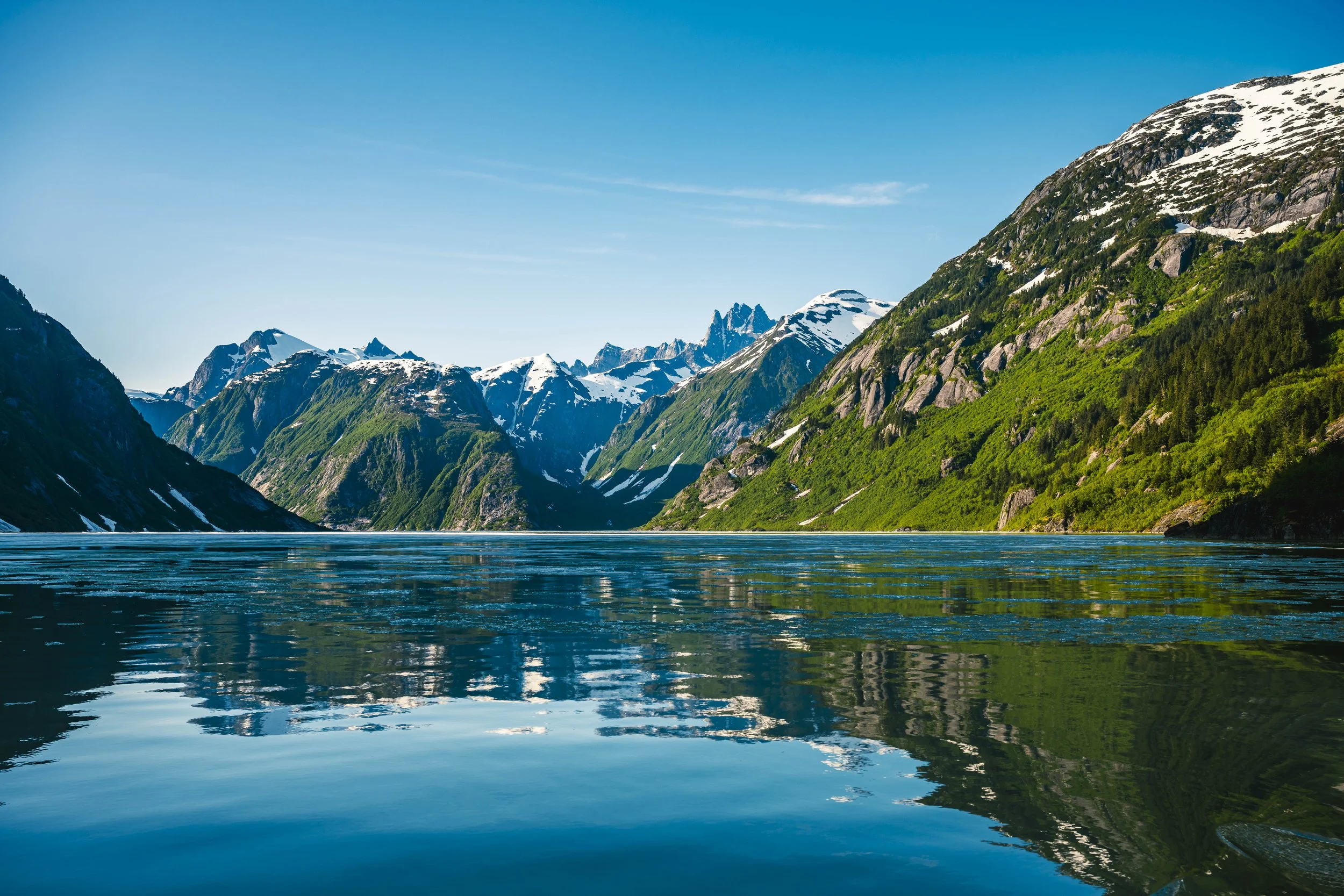
Wrangell is a small town at the mouth of the Stikine River, surrounded by the Tongass National Forest and the waterways of Southeast Alaska.
About 2,000 people call the island home, which means getting around is easy, familiar faces show up quickly, and the outdoors is never very far away.
There are some big reasons people travel here. Anan Wildlife Observatory. The Stikine River. Glaciers, fishing and miles of Tongass National Forest. But Wrangell is also a place where a morning walk downtown can turn into coffee, a conversation at the Post Office, a trip out the road and an afternoon on a trail you hadn't planned on hiking.
That's part of the appeal. There is plenty to see and do, but not much pressure to rush through it.
Here are five reasons to spend some time in Wrangell.
01
Explore Downtown Wrangell
Downtown is compact enough to explore on foot, and that's probably the best way to get acquainted.
Start around City Dock and wander Front Street, where locally owned shops, restaurants and galleries sit within a few blocks of the waterfront. Stop for coffee, see what's new in the shops, or grab lunch before continuing toward Totem Park, Chief Shakes Island and Tribal House, and Reliance Harbor.
The harbor is a good place to linger. Fishing boats, tour boats, recreational vessels and floatplanes come and go throughout the day, and there's usually something happening along the docks.
This is a working waterfront, so you'll see plenty of people doing exactly that—working.
For an especially local stop, pop into the Post Office. Wrangell doesn't have residential mail delivery, so picking up the mail doubles as a daily social event. The historic building is worth seeing on its own, with a New Deal-era mural depicting Wrangell and the surrounding landscape.
One of the nice things about a small town is that you don't have to choose between sightseeing and seeing how people actually live. Around here, they're often the same thing.

Get Outside
Some of Wrangell's easiest outdoor adventures begin within minutes of downtown.
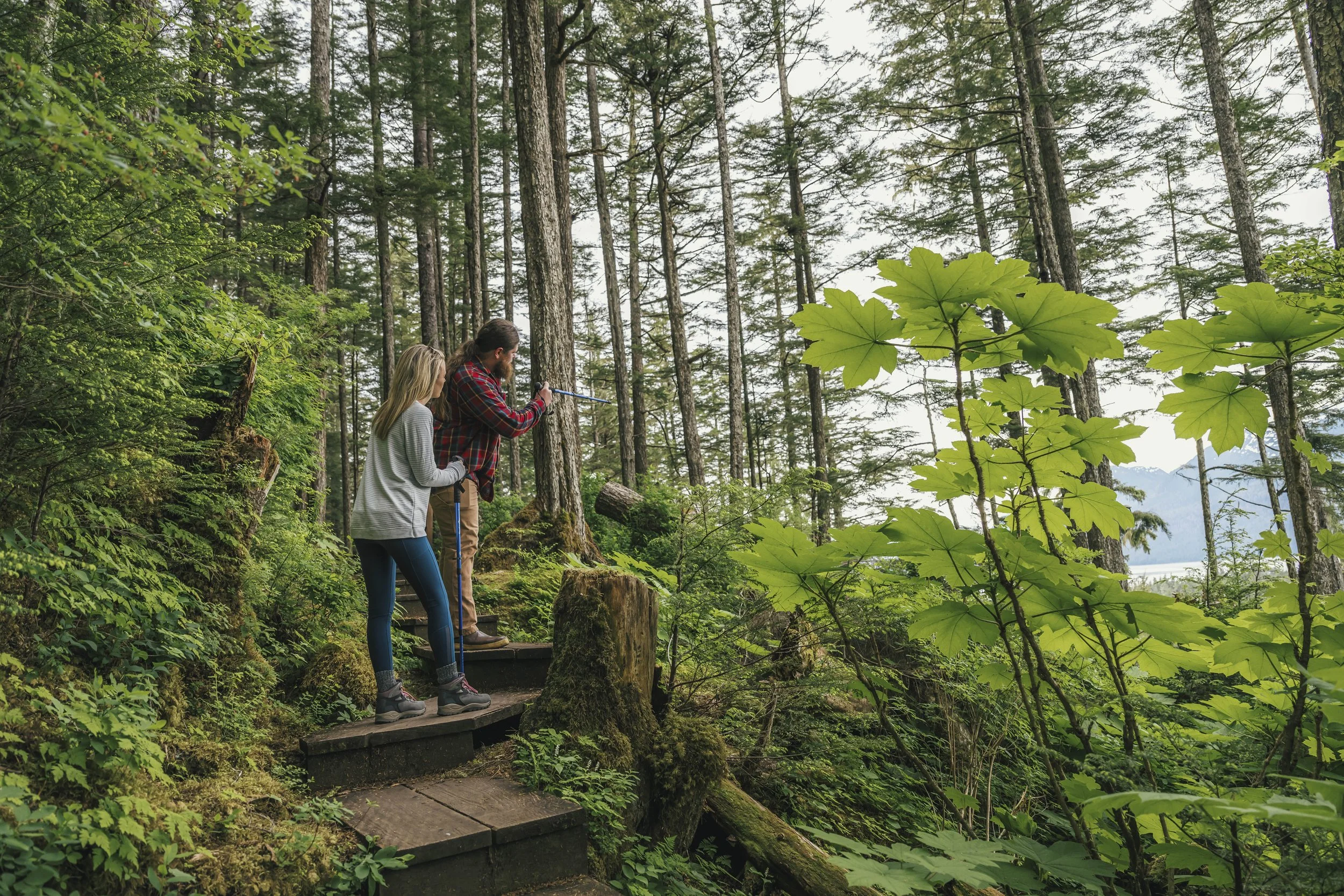
The Mt. Dewey Trail climbs through the forest directly behind town to a viewing platform overlooking Wrangell and the surrounding islands. The Nature Trail at Volunteer Park is another local favorite, looping through forest and muskeg, across small streams and past blueberry bushes that are fair game when the berries ripen in late summer.
About five miles out the road, Rainbow Falls climbs through old-growth forest to its namesake waterfall. Keep going beyond the falls and the trail continues toward the alpine, with Forest Service shelters along the upper route.
02
Moss covers just about anything that stands still long enough.
Blueberries and huckleberries line trails in late summer, and fall brings mushrooms in just about every shape imaginable.
For a longer day, rent an e-bike or vehicle and head farther out Wrangell's road system. Beaches, trailheads, recreation areas and Forest Service roads provide plenty of reasons to keep going.
See the Places
Wrangell Is Known For
03
Some adventures require getting off the island.
Anan Wildlife Observatory, about 30 miles from Wrangell on the mainland, is one of the few places in Alaska where black and brown bears gather along the same salmon stream. During the summer pink salmon run, bears fish along Anan Creek while eagles, seals and plenty of salmon add to the activity.
The bears generally manage to share the creek—or at least put up with one another when the fishing is good.
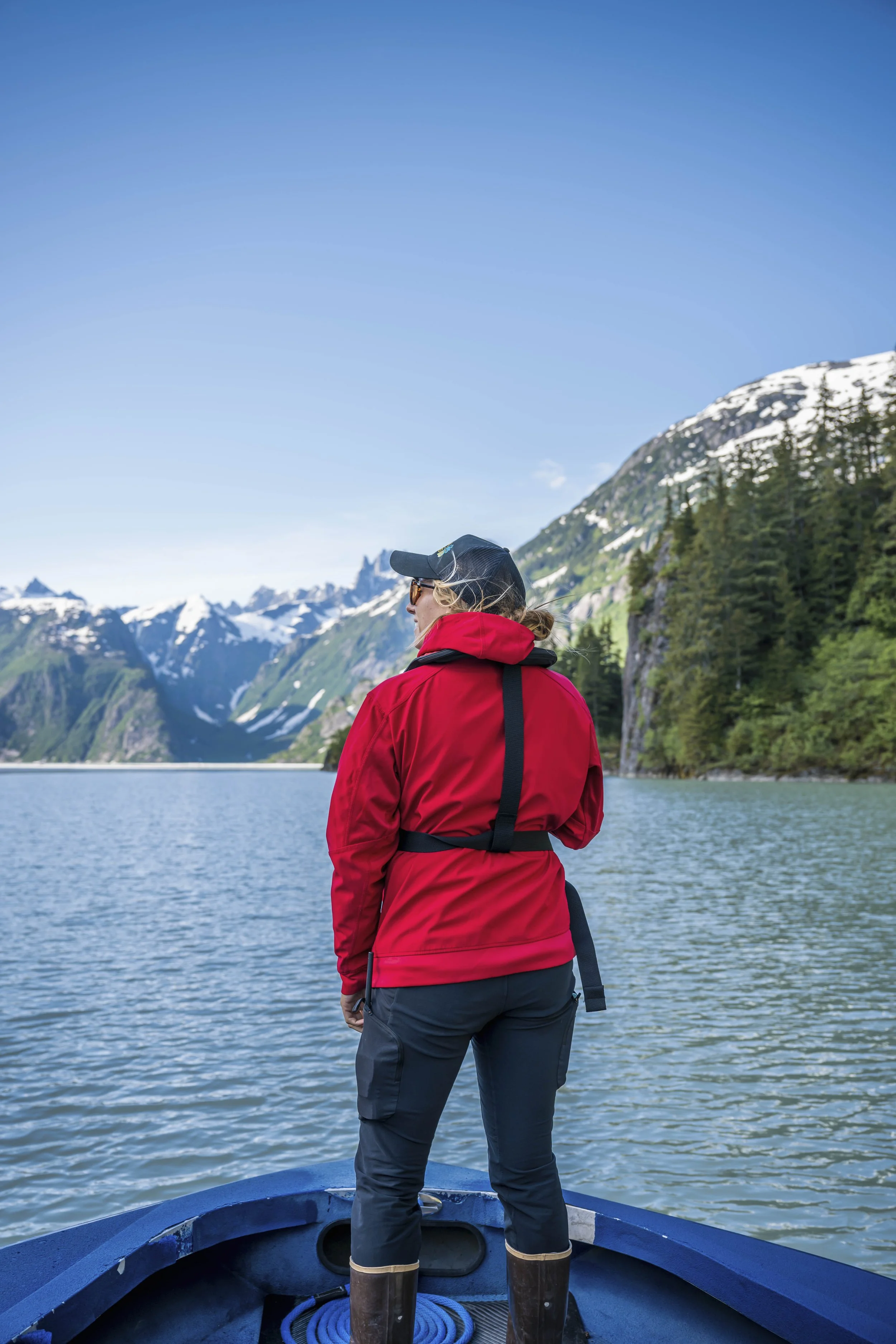
North of Wrangell, the Stikine River opens into a landscape of braided channels, mountains, glaciers, lakes and sidewaters. Local boat and air operators provide access to places such as Shakes Glacier, remote Forest Service cabins and Chief Shakes Hot Springs.
Then there's LeConte Glacier, reached by boat or air from Wrangell. The trip into LeConte Bay winds among icebergs that shift with the weather and tides. In late spring and early summer, harbor seals use the ice to give birth and raise their pups.
These are the trips worth planning ahead for. Local guides know the country, the water and the weather—and can usually tell a few good stories along the way.
Wrangell is the homeland of the Shtax'héen Kwáan Tlingit, whose relationship with this place reaches back thousands of years and continues today.
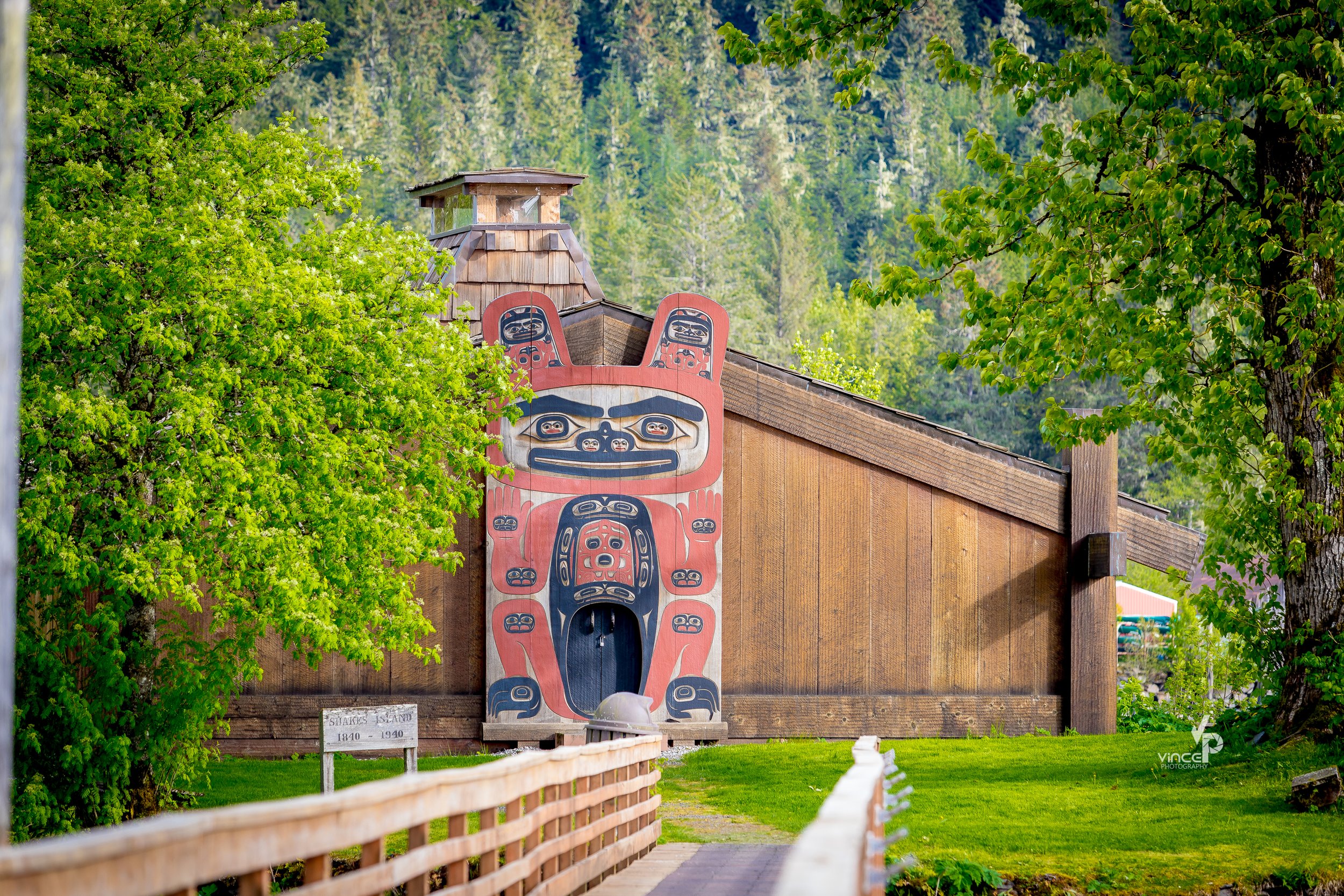
Chief Shakes Island and Tribal House sits in the middle of Wrangell's harbor, within walking distance of downtown. Nearby, Totem Park and the Wrangell Cooperative Association Cultural Center and Carving Shed offer other opportunities to learn about Tlingit culture, art and history.
Spend Time With Wrangell's
History and Culture
04
At the Carving Shed, that story is still being made.
Carvers and apprentices work on totem poles and other pieces using knowledge and techniques passed through generations. It's a working cultural space, which makes visiting different from simply looking at something behind glass.
A little farther north, Petroglyph Beach State Historic Site holds ancient rock carvings along the shoreline. Go at low tide, take your time looking, and leave the original carvings untouched. Replicas on the viewing deck are available for rubbings.
For the broader story, stop at the Wrangell Museum inside the Nolan Center. It's also a pretty good place to spend a rainy afternoon—which, in Southeast Alaska, is useful information to have.
Settle Into
The Pace of Town
05
There is plenty to fill an itinerary in Wrangell, but some of the better parts of a visit don't require reservations.
Walk the harbor after dinner. Browse the local shops. Take an e-bike out the highway. Have a conversation that lasts longer than expected. If there's a festival, community event or tournament happening, go see what's going on.
Small-town life means people tend to wear several hats. The person running a business may also be a volunteer, artist, fishing guide, coach or event organizer. You'll probably see some of the same faces more than once.
And if someone tells you to go "out the road," they're pointing you south along Zimovia Highway, where town gradually gives way to beaches, trails, recreation areas and the Tongass.

YOU DON’T HAVE TO SEE EVERYTHING.
LEAVE A LITTLE TIME TO WANDER.
START PLANNING
Itineraries, how to get here, and where to stay once you do.