
Changing of the Season
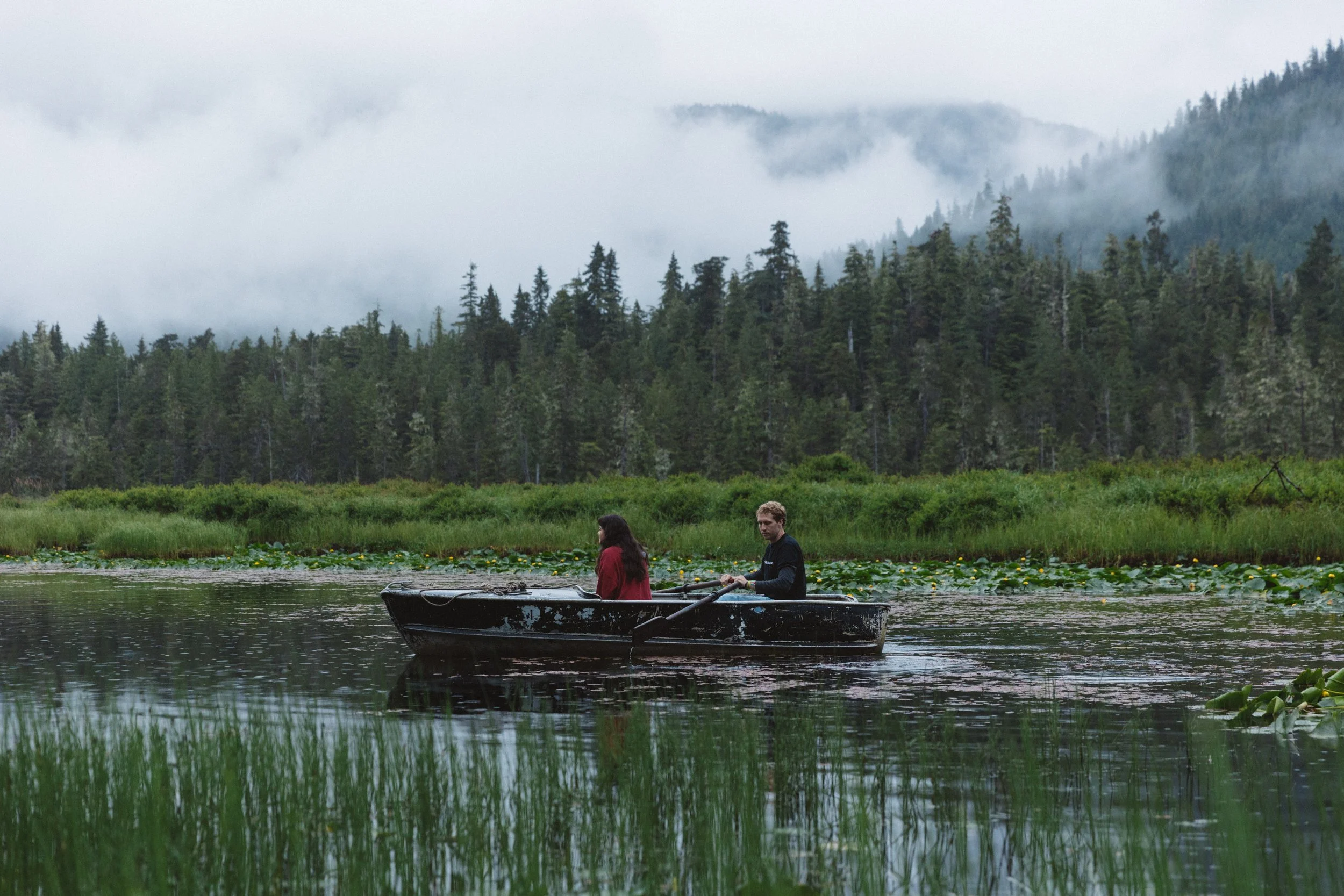
Canoe over Pat’s Lake during a cool, foggy day. Photo taken by Skyler Piltch.
Summer Fades. Wrangell Doesn’t.
As summer gives way to fall, Wrangell settles into a different rhythm.
The first clue is the sunlight. Evenings arrive earlier, the sun sits lower over Zimovia Strait, and morning fog lingers around the islands and distant mountains. Blueberries and huckleberries begin to disappear from the bushes while mushrooms emerge across the forest floor. After a summer of long days and steady activity, Wrangell begins settling into fall.
The waterfront changes with it. As summer traffic tapers, the harbors return more fully to the everyday life of a working Alaskan town. Fishing boats, skiffs, and floatplanes continue moving through the community, but the pace feels different. There is more room to pause along the docks, watch crews at work, and notice how closely life in Wrangell remains connected to the water.
That same approach works well for visitors. Fall doesn’t end outdoor recreation in Wrangell. It changes how you prepare for it.
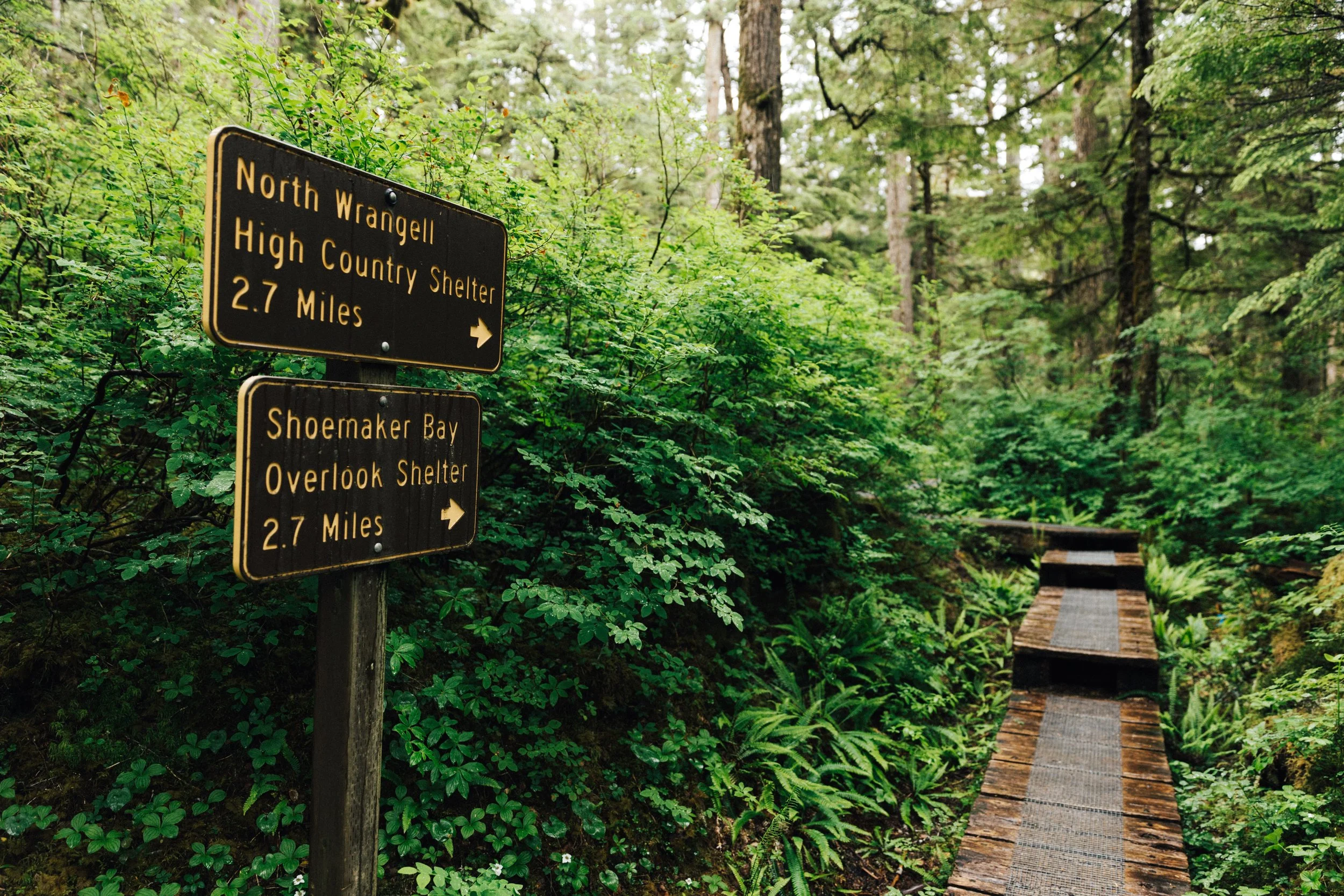
Sign postage and trail that leads to shelters. Photo taken by Skyler Piltch.
See the Rainforest in a New Season
Rain is not separate from the Wrangell experience. Getting a little muddy is simply part of exploring the Tongass National Forest, and part of the fun too!
On Mount Dewey, the view from the overlook can change from clear skies to drifting clouds in minutes. The Nature Trail becomes greener and quieter as rain gathers on the moss and giant spruce trees. And at Rainbow Falls, the return of wetter weather adds more energy to the towering waterfalls. Pack your bag, throw on your hiking boots and warm layers; the trails are waiting for you.
Explore Wrangell at Your Own Pace
Around town, adapting to fall is more practical for locals. Rain jackets return to hooks by the door. Waterproof boots replace summer shoes. Plans begin with a look at the forecast, although the chance of rain rarely means staying home. Residents learn to work with the weather, fitting walks, errands, projects, and time outside between passing systems—and often right through them.
A walk through downtown might begin with a break in the rain clouds and lead past locally owned shops, Chief Shakes Island and Totem Park. The Wrangell Museum offers a warm place to explore thousands of years of local history, from the homeland and culture of the Shtax’héen Kwáan to the fishing, mining, and timber industries that helped shape the community.
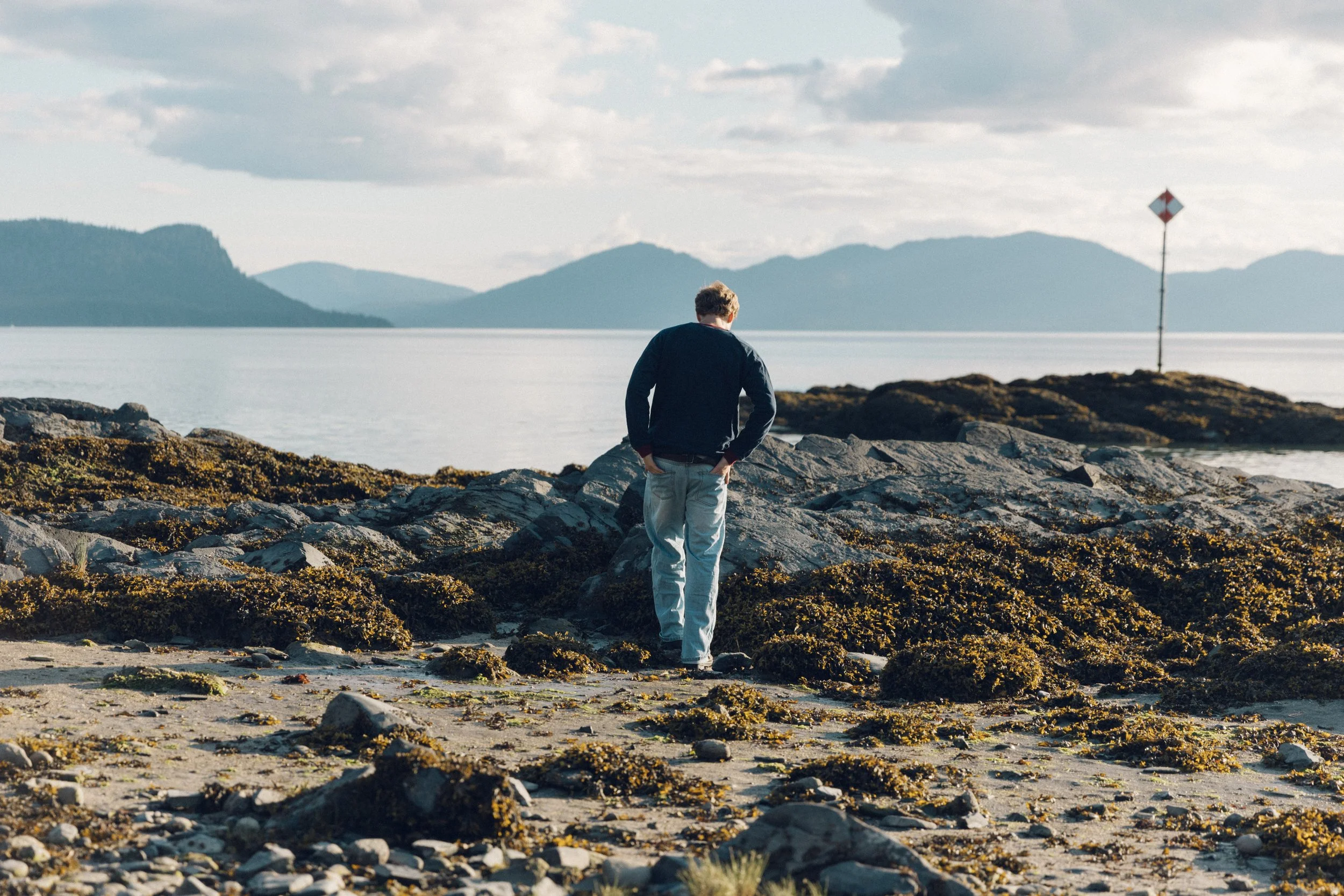
Exploring Petroglyph Beach during low tide. Photo taken by Skyler Piltch.
Even Petroglyph Beach takes on a different character. The tide still sets the schedule, but cooler air, changing light, and fewer distractions make searching the shoreline for ancient rock carvings feel more reflective. In Wrangell, history is not confined to an exhibit. It remains visible along the beach, throughout town, and in the traditions that continue today.
Don’t Wait Until Next Summer
Wrangell doesn't go to sleep when summer ends. The trails get wetter, snow begins returning to the mountains, the waterfront keeps churning, and locals stop for longer to catch up on the day.
For travelers willing to pack a rain jacket and leave a little room in their itinerary, fall offers a chance to experience Wrangell at a different pace. Spend some time outside, wander downtown, watch the harbor and let the weather help decide what’s next.
Ready to experience Wrangell this fall? Explore places to stay, things to do, and travel information at TravelWrangell.com.